
Dawson Oaks Trailer Park Specs and lobby tools
Check the PC, then assign jobs so the first meeting is not a screaming contest.
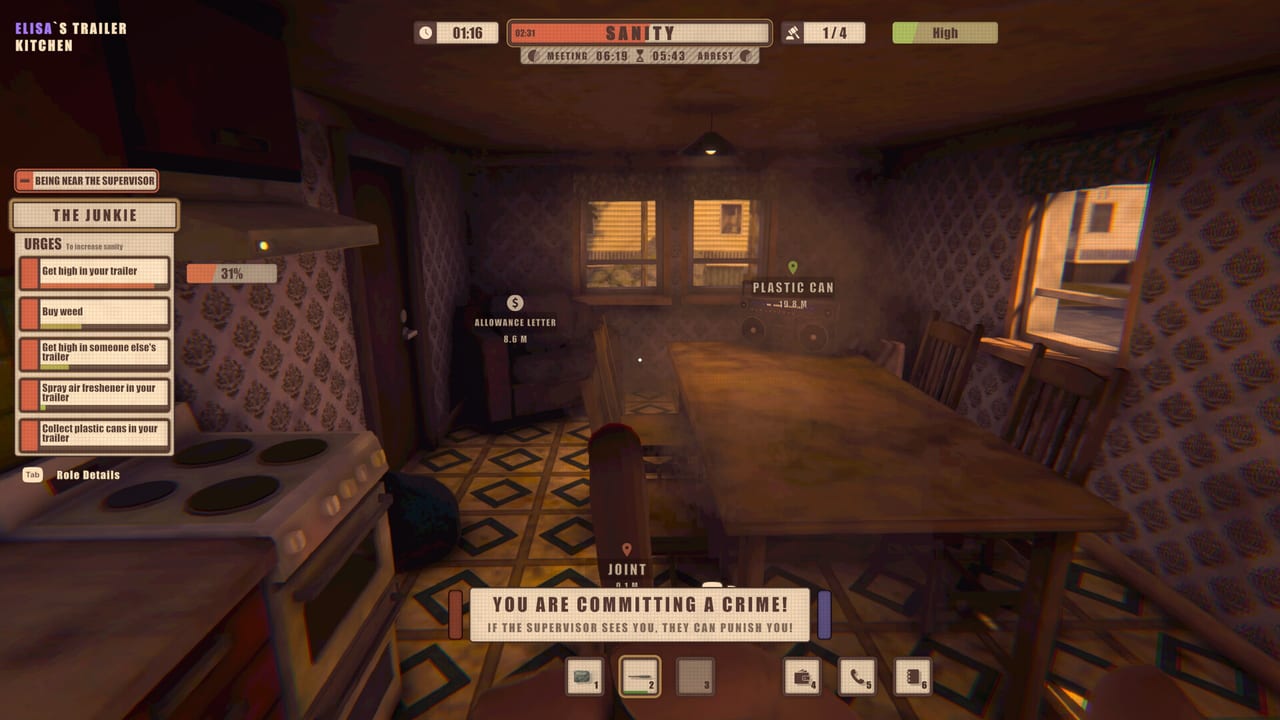
Dawson Oaks Trailer Park is a voice game first. If the host’s GPU wheezes, if one friend has no mic, or if nobody agreed who reads the Supervisor sheet, the round dies before the first Junkie urge. This hub is the practical half of the wiki: hardware on one child page, social jobs on the other. Strategy still lives in how to play and the role roster. Come here the night you actually queue.
What each tool page is for
The system requirements page reprints Steam’s Windows minimum and recommended lines, then adds the notes the table leaves out. The store lists an i5-6400 and GTX 960 as the floor, a GTX 1080 Ti and 8 GB of RAM as comfort, DirectX 11, 5 GB of disk, and broadband. It does not explain that proximity voice is a CPU and network tax, or that LAN PvP and LAN co-op exist when the internet is ugly. Read that page before you promise a twelve-person night on a 2016 laptop.
The lobby checklist is the human tool. It tells you to test mics in earshot, assign who studies the Supervisor, assign who recites meeting rules, pair roles that need each other (Junkie with Dealer), and stop people from shouting task names across the lot. It also names the landmarks that matter once the new map ships: Community Center for meetings, Piss Creek Saloon for the voted-out, trailers and night lots for crimes you should not perform in a cop’s face.
Use both pages. Specs without a checklist gets you a pretty crash. A checklist on a machine that cannot hold voice gets you a silent park.
When to open this hub
- A week out: confirm Windows 10 or 11, GPU, and disk on system requirements. The planned Steam date is 17 September 2026 after the map delay; see release date if your group still thinks it is the 10th.
- The afternoon of a lobby: run the lobby checklist in Discord before anyone launches. Assign jobs out loud.
- After a bad first round: come back to the checklist, not to a fake code list. The codes hub will not fix a screaming task list.
What these tools will not do
They will not rank roles. That is the tier list, and it is theory until the public build exists. They will not replace Getting Started. They will not give you a playtest key; those were private, as playtest notes explain. They will not pretend the Steam unlock has happened.
They will remind you of the one-liners that decide whether a round is funny or miserable: sanity urges exist, do not crime in the Supervisor’s face, meetings vote the Snitch, voted-out talk happens in Piss Creek Saloon, there are eleven suspect roles, the Supervisor is public, and the Snitch hides behind a cover role.
Thirty minutes before first queue
Open specs if anyone new is joining. Open the checklist and walk it top to bottom. Keep community links nearby so you can drag people from Discord into Steam with the right app ID. If a friend is still shopping for “working codes,” send them the codes page and continue the voice test without them until they understand this is a $9.99 party game.
That is the whole job of this hub: fewer broken mics, fewer surprise Supervisors, fewer lobbies that leak every task into proximity chat. Launch night will be loud enough without that.
Frequently Asked Questions
Quick answers about roles, meetings, and the Steam launch.
Which tool should I open first?
Confirm the PC on system requirements, then run the lobby checklist with the people who will actually queue.
Do I need these pages if I already know Among Us?
Yes. The Supervisor is public, suspects must commit crimes to stay sane, and voted-out players speak in Piss Creek Saloon. The checklist exists because those rules are easy to forget.
Will you add a loadout builder or code generator?
No generator. There are no public codes. If we add a tool later it will be something a lobby can use, like a role-reminder sheet, not a fake redeem box.
Are LAN tools different from online tools?
The checklist is the same. Specs add a LAN note because Steam lists LAN PvP and LAN co-op, which is the fallback when voice servers misbehave.